7 Coping Skills for Anxiety and Stress

  • To cope with anxiety and reduce stress, there are several effective skills to help.
  • Some coping skills include moving your body, identifying triggers, and breathing exercises.
  • A qualified counselor is available to help you learn more coping skills and grounding techniques for anxiety.

During uncertain times, we can take a number of different steps in order to reduce stress and anxiety. One of the best ways to deal with challenging situations is not to wait until life throws us another curveball. Instead, it’s better to be ready to face the coming challenges! Learning about the following 7 coping skills for anxiety will help you manage anxious feelings when they arise. Listed below are these strategies.
Read more


How to Move Beyond Languishing & Get Inspired Again

Have you been feeling like your creative process has stalled and the well is running dry? If you have found yourself feeling uninspired and unmotivated, know that you are not alone. Psychologists and therapists have been seeing a surge of clients experiencing this grey area of malaise. This phenomenon was discussed by organizational psychologist Adam Grant on TEDx and elsewhere in 2020 and 2021. Feeling stuck can happen to anyone, even when we’re doing what we love. When you add on isolation, a long-term and indefinite change in daily routines, and a potential loss of connection to your social network, the issue is exacerbated. Whether it’s an emotional or creative block, there are ways to move beyond languishing for better mental health and get inspired again. Let’s explore some of those ways together! 

Read more

The Benefits of a Morning Routine

Are your mornings a little chaotic? Between rushing the kids to school, getting ready for work, or walking the dog before you leave, these AM hours can get neglected. However, the psychological benefits of routine are huge. From managing stress to lowering your blood pressure, here are some scientific benefits of a morning routine.
Read more

Understanding Acute Stress Disorder Criteria

The criteria for acute stress disorder (ASD) can include any stress reaction occurring in the initial month after exposure to a traumatic event. Acute stress disorder is an unpleasant reaction that starts shortly after an overwhelming traumatic event and usually lasts less than one month. If the symptoms persist longer than one month, it is then deemed to be more chronic, and the diagnosis changes to post-traumatic stress disorder (PTSD). 
Read more

5 Tips for Helping Teens Manage Stress

Teenhood can be an incredibly stressful and confusing time in a teen’s life.  Teen stress levels rise more and more every single year. Bullying, depression, peer pressure, social media, and academic pressures are just a few of the social issues that teens are faced with. Parents, guardians, and friends may wonder what they can do to guide teens in a safe and healthy direction. Finding the right kind of teen stress management can make a tremendous difference in the life of not only a teen but the entire household. 
Read more

5 Symptoms of An Acute Stress Reaction

We all know what stress feels like, regardless of how minor or major the stressor was. How we respond to those stressors, though, is what matters. Some can experience an external event and process their stress response effectively. Others may not have the same mechanism in place, which is where what was an acute stress reaction could develop into something deeper.
Read more

How Stress Impacts Bipolar Disorder

Most of us are aware that stress can be harmful to our mental wellbeing. While some stress is an essential incentive pushing us to do better and succeed, prolonged periods of stress can aggravate symptoms of depression, anxiety, and other preexisting mental health conditions. Individuals with bipolar disorder who are stressed in particular are at a high risk of relapsing into either a manic or depressive episode when exposed to high levels of stress.

Read More

How Mental Health Counseling Aids Grief and Loss

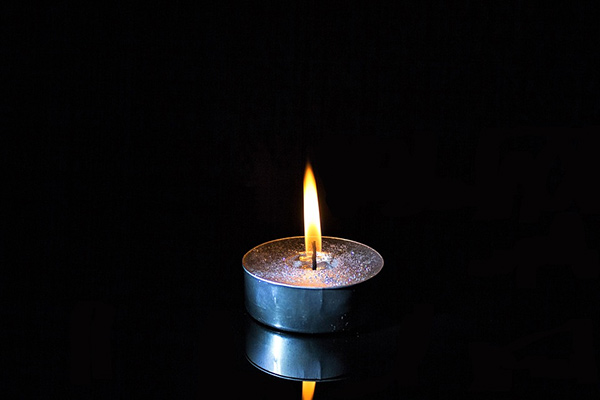
Single candle lit in a dark room.Grief is an emotion all humans have to come to terms with during their lifetime. It can be all-encompassing or leave you feeling like your world is going to collapse. Shutting down one way or another can leave you stuck in your grief, unable to live your life freely.

Whether you’re dealing with old hurt or something recent, therapy for grief and loss can help when things become too much. Grief counseling through Miami Hypnosis and Therapy can help you see there is life past your grief. Learn healthy ways to cope and express your feelings with guidance from a licensed mental health practitioner. Approaches like trauma and grief component therapy can aid individuals who need help on their bereavement journey. You may not be able to see the other side right now, but it is there. Discover how mental health counseling aids those undergoing grief and loss. When you’re ready to take the next step, schedule your first appointment with Miami Hypnosis and Therapy today.
Read more